


Utility of Surrogate Markers for Insulin Resistance: Homeostasis Model Assessment for Insulin Resistance (HOMA-IR) and Triglyceride–Glucose (TyG) Index in Identifying Metabolic Syndrome Among Adults from Resource-limited Settings
Insulin resistance (IR), a hallmark of various metabolic disorders, represents a diminished responsiveness of target tissues to the actions of insulin, resulting in impaired glucose uptake, dyslipidaemia and endothelial dysfunction.1,2 Worldwide, the prevalence of IR among adults ranges from 15.5% to 46.5%.3–5 The aetiology of IR is multi-factorial, involving a complex interplay of multiple factors. Broadly, genetic predisposition, […]
A clinician’s guide to building meaningful media relationships
We often focus on clinical excellence, but spend less time developing broader skills that could help us better lead with purpose and build more fulfilling, impactful careers.
In this episode, part of a mini-series in partnership with LEADderm, Dr Jennifer Soung and Denise Mann explore how clinicians can engage with the media to educate, empower and extend their impact beyond the clinic.
Diana Isaacs shares her highlights from AACE 2026
In this interview, Diana Isaacs shares her highlights from the 2026 AACE Annual Meeting, discussing key advances in diabetes management, obesity treatment and diabetes technology, alongside emerging priorities for future endocrinology research and guideline development.
Expert perspectives for the next generation
Drawing on the experience of expert faculty and emerging leaders who have already navigated many of the early hurdles when embarking on a career in endocrinology, we asked for one piece of career advice to share with those just starting out. Their reflections highlight the importance of curiosity, compassion, adaptability and purpose in building a fulfilling and sustainable career.
01. Utility of Surrogate Markers for Insulin Resistance: Homeostasis Model Assessment for Insulin Resistance (HOMA-IR) and Triglyceride–Glucose (TyG) Index in Identifying Metabolic Syndrome Among Adults from Resource-limited Settings
02. A clinician’s guide to building meaningful media relationships
03. Diana Isaacs shares her highlights from AACE 2026
04. Expert perspectives for the next generation

Your clinical career is shaped not only by what you know, but by who helps you navigate what comes next. Join us for the final episode in our mini-series exploring non-clinical skills that can help you thrive in your clinical career. Today we explore how to develop the right team around you to support your work, and what building that bench can mean for your career, and the life you build alongside it.

Welcome to the summer 2026 issue of touchREVIEWS in Endocrinology. In this issue, we bring together articles that reflect the evolving complexity of endocrine and metabolic disease, while highlighting the growing importance of patient-centred care, translational science and interdisciplinary management. We ...

Pathophysiology of X-linked hypophosphataemia X-linked hypophosphataemia (XLH) is a progressive skeletal disorder, originally defined by Albright in 1937 as hypophosphataemic vitamin D rickets.1 XLH is the commonest form of inherited rickets/osteomalacia and is an X-linked dominant condition.2 The most common ...

Glucagon-like peptide-1 receptor agonists (GLP-1RAs) and GLP-1RA-based therapies are currently considered to be one of the most attractive classes of medications for managing type 2 diabetes (T2D) because of their impressive weight loss properties, glycated haemoglobin (HbA1c) ...




Want to be featured in touchReviews in Endocrinology?
Share your knowledge, influence clinical practices and enhance patient care in Endocrinology today!
- Peer-reviewed, free-to-access
- Indexed on PubMed
- Accepting reviews, research and editorials
- No article processing fees
- Digital features and plain language summaries
- Multichannel content distribution for maximum visibility
We often focus on clinical excellence, but spend less time developing broader skills that could help us better lead with purpose and build more fulfilling, impactful careers. In this episode, part of a mini-series in partnership with LEADderm, Dr Jennifer Soung and Denise Mann explore how clinicians can engage with the media to educate, empower and extend their impact beyond the clinic.

Urinary lithogenesis processes are activated in patients with obesity, metabolic syndrome (MetS), and type 2 diabetes (T2D). This is a relatively unfamiliar topic among endocrinologists. Beyond the epidemiological evidence accumulated over the recent years, the purpose of this paper is ...

The global prevalence of metabolic dysfunction-associated steatotic liver disease (MASLD) has increased over the past three decades and is estimated to be 30% as of 2022.1 As an indication of disease burden, MASLD-related liver transplantation has already surpassed many other aetiologies as ...

The past century has witnessed substantial evolution in the assessment and management of type 1 diabetes (T1D), paralleling advances in our understanding of the condition and in innovation in technology. Since the ground-breaking discovery of insulin in the 1920s, T1...

The significance of osteoporosis and fragility fractures in individuals with chronic kidney disease (CKD) is becoming increasingly recognized as a major contributor to disability, hospital admissions and mortality. In CKD, bone fragility is worsened by the complex interactions of metabolic ...
Insulin resistance (IR), a hallmark of various metabolic disorders, represents a diminished responsiveness of target tissues to the actions of insulin, resulting in impaired glucose uptake, dyslipidaemia and endothelial dysfunction.1,2 Worldwide, the prevalence of IR among adults ranges from 15.5% to 46.5%.3–5 ...

Highlights Autoantibodies refine autoimmune thyroid disorder diagnosis and risk. Thyroid-stimulating hormone receptor antibody predicts relapse, severity and foetal impact. Thyroid peroxidase antibody and thyroglobulin antibody linked to fertility outcomes. Novel antibodies expand thyroid autoimmunity scope. The interplay between immunology and ...

In this episode, Nicky speaks with Prof. Georgina Ellison-Hughes from King’s College London about the groundbreaking field of senolytics and their potential to advance the treatment of age-related diseases. From understanding the science behind cellular senescence to how senolytic drugs work and what early clinical trials reveal, this episode explores an exciting frontier in longevity medicine.
Welcome to the latest edition of touchREVIEWS in Endocrinology, which features a diverse selection of editorials, reviews and original research articles that highlight both the progress and the ongoing challenges in translating pathophysiological insight into patient-centred care. We begin with ...

The growing convergence of type 2 diabetes (T2D), obesity and dementia represents a pressing public health challenge in ageing populations worldwide.1 Robust epidemiological studies and meta-analyses have consistently shown that T2D is associated with accelerated cognitive decline.1,2 Beyond statistical ...

Gestational diabetes (GD) is a heterogeneous disorder that arises when pancreatic insulin secretion fails to compensate for the insulin resistance of pregnancy. A disbalance in either component, insufficient secretion or excessive resistance, can lead to GD and reflects its variable ...

Fatty liver is the largest liver disease globally and has become a leading cause of liver cirrhosis and end-stage liver disease. Metabolic dysfunction-associated steatotic liver disease (MASLD), formerly known as non-alcoholic steatohepatitis (NASH), affects about one-third of the adult population ...


Presymptomatic autoimmune type 1 diabetes: Strategies for early screening, monitoring and management
Watch expert speakers discuss recent advances in early autoimmune T1D, with insights into screening and evolving monitoring and management strategies.

Watch multidisciplinary speakers discuss optimising AID outcomes and individualising AID education to support children with type 1 diabetes.
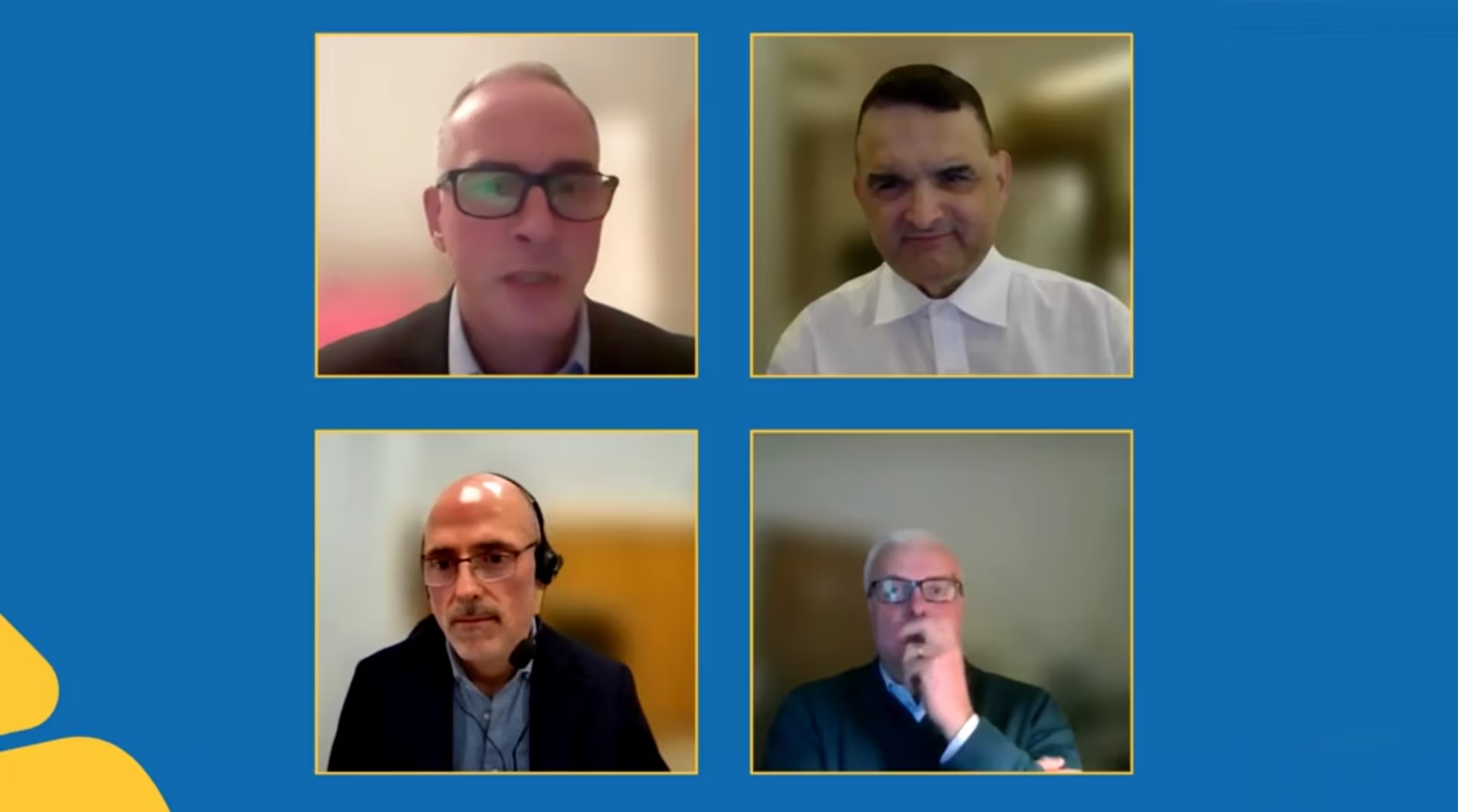

Learn about barriers to effective long-term weight management and pharmacological treatment options for obesity.
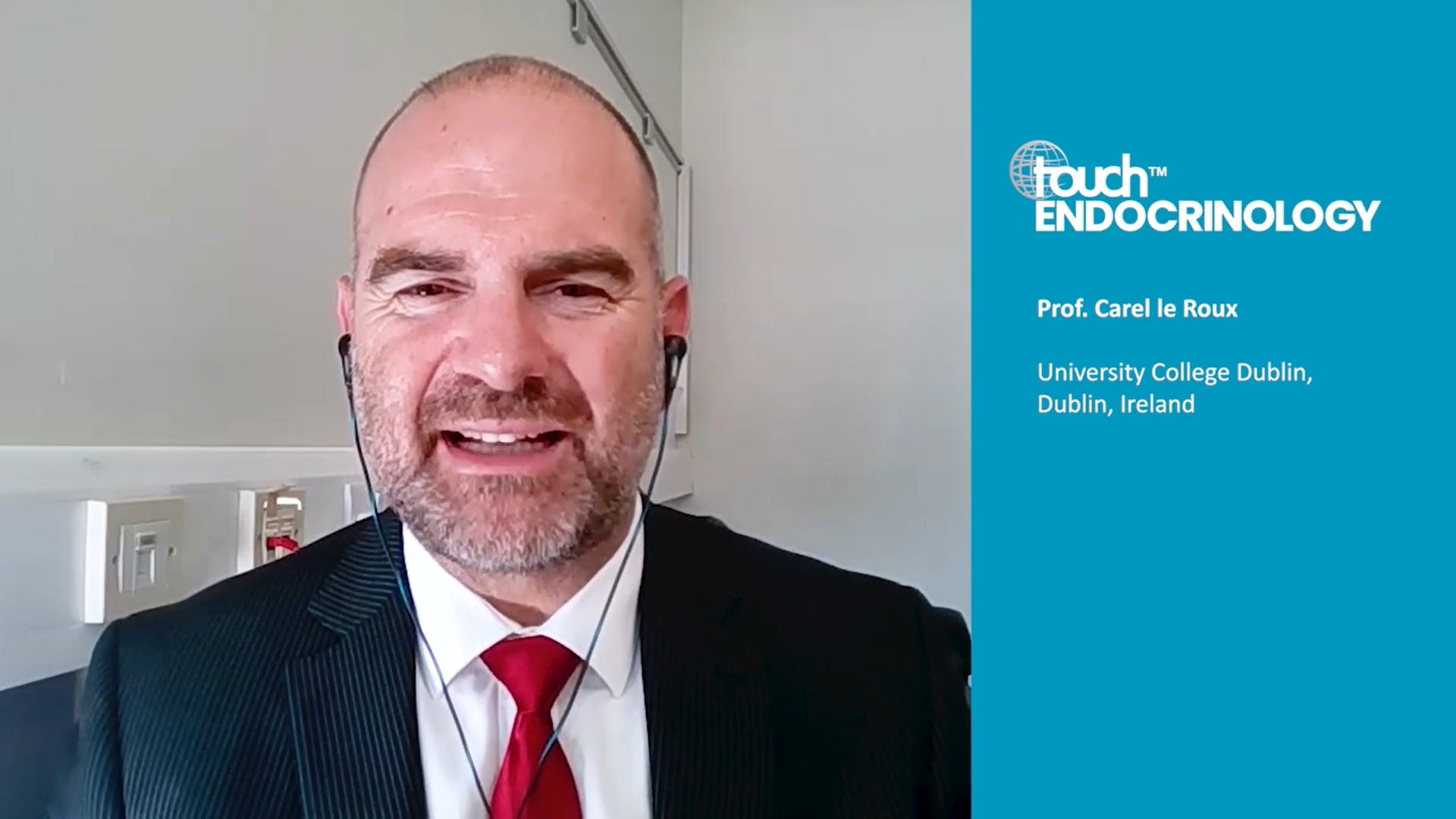

Introducing the touchENDOCRINOLOGY Future Leaders 2025
This year, we are celebrating our inaugural touchENDOCRINOLOGY Future Leaders to recognize the outstanding talent that has entered our field in recent years. These individuals are set to innovate and transform endocrinology in the years to come.
Selected by our expert Editorial Board and contributing faculty, we are proud to highlight their achievements so far and explore what the future holds for them. We had the pleasure of learning about their unique journeys, career motivations and the inspirations that have shaped their paths. They also shared their perspectives on the most exciting advancements in endocrinology today and their hopes for the future of the field.

“It’s a great privilege being a clinician. No two people are the same, and I love working with patients to work out their unique needs.”
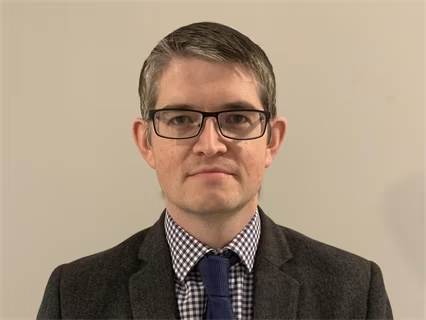
“Seeing the profound impact diabetic peripheral neuropathy has on people’s lives drives me to improve our understanding and treatment of this condition.”
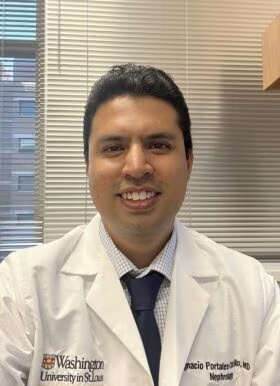
“I learned that every patient holds the potential to inspire new questions, new research, and even a thesis.”
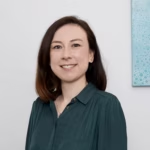


Editorial Board
Introducing the Editorial Board of touchREVIEWS in Endocrinology, who support our mission to advance medical knowledge and practice by ensuring the integrity, relevance, and impact of the content we publish. Together, we strive to foster a vibrant academic community and contribute to the continuous improvement of healthcare worldwide.

John Doupis
Athens, Greece
Diabetes
Biography
Dr John Doupis is a former clinical research fellow of the Joslin Diabetes Center, Harvard Medical School, in Boston, MA, USA and scientific partner in Beth Israel Deaconess Foot Center Harvard Medical School, Boston, MA. Currently, he is directing the Diabetes Division and Clinical Research Center of Iatriko P. Falirou Medical Center in Athens, Greece. He has served as a principal investigator in many multicentre phase I, II, III and IV clinical trials, most of which have been published in international journals or presented at congresses. He is a registered reviewer and a member of the editorial board for many major diabetes medical journals. He has given numerous lectures in national and international congresses, presenting over 200 abstracts. His special areas of interest are diabetes and its complications, especially obesity, diabetic neuropathy, diabetic foot, as well as the glucose sensing technologies and insulin pumps. In these fields, he has published more than 50 papers in international medical journals, having more than 1,500 citations.

Chantal Mathieu
Editorial Board member

Chantal Mathieu
Leuven, Belgium
Diabetes
Biography
Prof. Chantal Mathieu is a physician-scientist who has contributed to the field of diabetes and endocrinology through basic and clinical research. Her basic research work focuses on pathogenesis and prevention of type 1 diabetes. Prof. Mathieu’s clinical work involving new products and treatment paradigms in diabetes, such as new insulins, adjunct therapies and diagnosis of gestational diabetes have made her a speaker in international fora. Prof. Mathieu coordinates the European clinical trial network for interventions in type 1 diabetes ‘INNODIA’ and the European project ‘EDENT1FI’ on screening for type 1 diabetes. Prof. Mathieu is president of EASD and vice-president of the European Diabetes Forum.
John Doupis
Editor-in-Chief
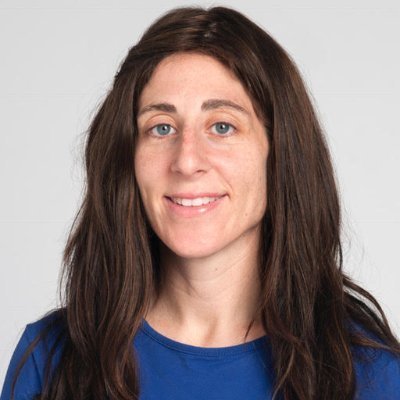
Diana Isaacs
Editorial Board member
Diana Isaacs
Cleveland, OH, USA
Diabetes
Biography
Diana Isaacs, PharmD, BCPS, BC-ADM, BCACP, CDCES is the Continuous Glucose Monitoring (CGM) Program Coordinator and Endocrinology Clinical Pharmacy Specialist at the Cleveland Clinic Diabetes Center. She provides medication management and runs a robust CGM shared medical appointment program. Dr Isaacs is a Certified Diabetes Care and Education Specialist and holds board certifications in pharmacotherapy, ambulatory care and advanced diabetes management. She has numerous diabetes publications and research projects with a focus on medications, CGM and diabetes technology.
Chantal Mathieu
Editorial Board member

Linda Siminerio
Editorial Board member
Linda Siminerio
Pittsburgh, PA, USA
Diabetes
Biography
Linda Siminerio, RN, PhD is Emeritus Professor of Medicine and Professor of Nursing, Health and Community Systems at the University of Pittsburgh. She has led a career in diabetes research and education. An internationally recognized expert on self-management education and health care delivery models in both pediatric and adult populations, she serves as the Principal Investigator on many studies related to diabetes treatment.
Dr Siminerio has authored numerous publications and served as editor on several diabetes journals. She was President of Health Care and Education, American Diabetes Association and Senior Vice President, International Diabetes Federation (IDF) and Past-Chair of the National Diabetes Education Program (NDEP). In these positions, she has organized and led national and international efforts on the development of programs, standards and care models directed toward health professionals, patients and the community.
Dr Siminerio served as organizing chair for the International Diabetes Federation (IDF) World Diabetes Congress and IDF translation research program, Building Research in Diabetes Global Environments and Systems (BRIDGES).
Diana Isaacs
Editorial Board member
John Doupis
Editor-in-Chief

 touchENDOCRINOLOGY
Register Now!
Explore the latest in medical education and stay current in your field. Create a free account to track your learning.
- Save your progress for video
- Keep track of your CME credits
- Add personalised learning notes
- Receive updates from course leaders and faculty
- Be the first to hear about new and exciting interactive learning opportunities
Log into your Touch Account
Keep track of your clinical interests and newsletter subscriptions.
Sign up with an Email
Or use a .
Register now for FREE access
Already registered? Login below.
